




















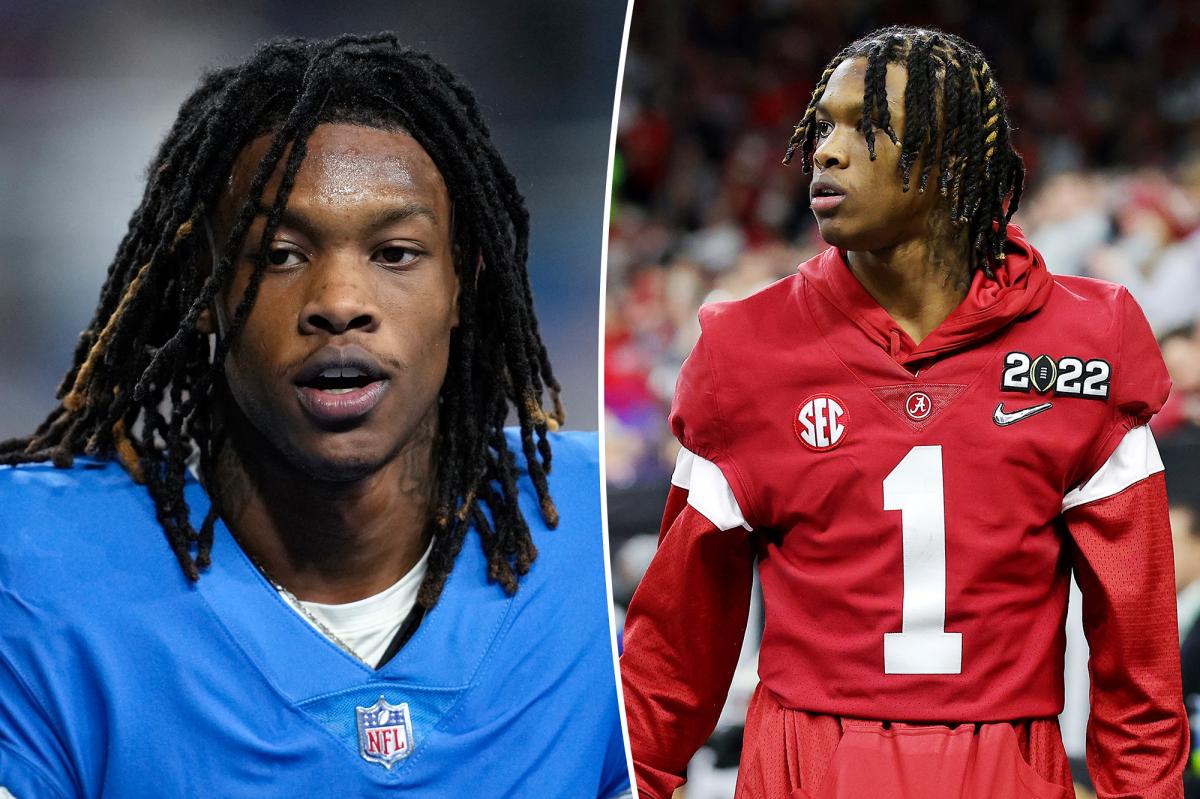
NFL star Jameson Williams files bombshell lawsuit against NCAA, Big Ten and SEC
The Detroit Lions wide receiver, whose name is not disclosed in the initial reports, has taken a bold and courageous step in filing a lawsuit against three of the most powerful entities in college sports – the NCAA, the Big Ten, and the Southeastern Conference. This bombshell lawsuit has sent shockwaves through the world of collegiate athletics, raising important questions about the treatment of student-athletes, the power dynamics within the NCAA, and the responsibilities of major sports conferences.
The lawsuit, which was filed in federal court, alleges that the NCAA, the Big Ten, and the Southeastern Conference have engaged in anticompetitive practices that have harmed the plaintiff and other student-athletes. The wide receiver claims that these organizations have conspired to limit the earning potential of student-athletes, restrict their ability to transfer schools, and unfairly punish them for minor infractions. The lawsuit also alleges that the NCAA, the Big Ten, and the SEC have failed to adequately protect student-athletes from physical and emotional harm, and have prioritized profits over the well-being of these young men and women.
The wide receiver’s decision to file this lawsuit is a bold move that has garnered widespread attention and support. Many current and former student-athletes have come forward to express their solidarity with the plaintiff, sharing their own stories of mistreatment and exploitation within the world of college sports. The lawsuit has also sparked a larger conversation about the role of the NCAA and major sports conferences in the lives of student-athletes, and whether these organizations are truly serving the best interests of those they claim to represent.
One of the key issues at the heart of this lawsuit is the question of compensation for student-athletes. The NCAA has long maintained that student-athletes should not be paid for their participation in college sports, arguing that they are amateurs and that their participation in athletics is a form of extracurricular activity. However, many critics have pointed out that student-athletes generate billions of dollars in revenue for the NCAA and major sports conferences, and that they deserve to be fairly compensated for their efforts.
The wide receiver’s lawsuit alleges that the NCAA, the Big Ten, and the SEC have colluded to prevent student-athletes from receiving fair compensation for their labor. The plaintiff claims that these organizations have created a system that allows them to profit off the talents and hard work of student-athletes, while denying those same athletes the opportunity to profit from their own success. The lawsuit also alleges that the NCAA’s restrictive rules on transferring schools have further limited student-athletes’ ability to maximize their earning potential, trapping them in exploitative situations where they have little control over their own futures.
In addition to the issue of compensation, the lawsuit also raises important questions about the treatment of student-athletes within the NCAA and major sports conferences. The wide receiver claims that he has been subjected to unfair treatment and punishment by these organizations, including being benched for minor infractions and facing retaliation for speaking out against injustices within the system. The lawsuit alleges that the NCAA, the Big Ten, and the SEC have failed in their duty to protect student-athletes from harm, and have instead prioritized their own interests over the well-being of the young men and women who participate in college sports.
The wide receiver’s decision to file this lawsuit is a courageous act that has the potential to bring about important changes in the world of college athletics. By taking a stand against the NCAA, the Big Ten, and the SEC, the plaintiff is challenging the status quo and demanding accountability from those in power. The lawsuit has already sparked a larger conversation about the treatment of student-athletes within the NCAA and major sports conferences, and has raised important questions about the future of college sports in America.
As the lawsuit makes its way through the legal system, it is likely to attract even more attention and support from those who believe that student-athletes deserve to be treated fairly and with respect. The wide receiver’s decision to take on the NCAA, the Big Ten, and the SEC is a powerful reminder that change is possible, and that those who are willing to stand up for what is right can make a real difference in the world. The outcome of this lawsuit could have far-reaching implications for the future of college sports, and could ultimately lead to a more just and equitable system for student-athletes across the country.
In conclusion, the Detroit Lions wide receiver’s lawsuit against the NCAA, the Big Ten, and the SEC is a groundbreaking and courageous act that has the potential to bring about important changes in the world of college athletics. By challenging the status quo and demanding accountability from those in power, the plaintiff is taking a stand for fairness and justice in college sports. As the lawsuit moves forward, it is likely to spark a larger conversation about the treatment of student-athletes within the NCAA and major sports conferences, and could ultimately lead to a more just and equitable system for those who participate in college sports. The outcome of this lawsuit is uncertain, but one thing is clear – the wide receiver’s decision to take on the NCAA, the Big Ten, and the SEC has already made a significant impact and has the potential to reshape the landscape of college athletics for years to come.
Source: New York Post



























 LIVE
LIVE LIVE
LIVE